Genomics has expanded far beyond sequencing.
Today, biological systems can be studied across multiple layers of information, from DNA and RNA to proteins, cellular states, and spatial organization.
01
THE EVOLUTION OF OMICS
Each layer revealed
a different aspect of biology
Each layer revealed a different aspect of biology
Each layer revealed
a different aspect of biology
Genomics
Decoding DNA

Transcriptomics
Understanding expression
Proteomics
Mapping function

Spatial biology
Adding biological context
Genomics
Decoding DNA
Transcriptomics
Understanding expression
Proteomics
Mapping function
Spatial biology
Adding context and location
Genomics
Decoding DNA
Transcriptomics
Understanding expression
Proteomics
Mapping function
Spatial biology
Adding biological context
Omic technologies evolved to answer increasingly complex biological questions.
Not in a straight line, each new layer emerged to resolve the blind spots of the one before it.


02
BEYOND THE DATA GENERATION
BEYOND THE DATA GENERATION
The next challenge
is interpretation
Is your innovation ready to make an impact?
Is your innovation ready
to make an impact?
The current frontier is integrating information and translating it into meaningful insight.
The challenge is no longer producing data, but making sense of it.
03
FROM MULTIOMICS TO INTEGRATION
FROM MULTIOMICS TO INTEGRATION
Connecting
biological layers
Connecting
biological layers
Connecting biological layers
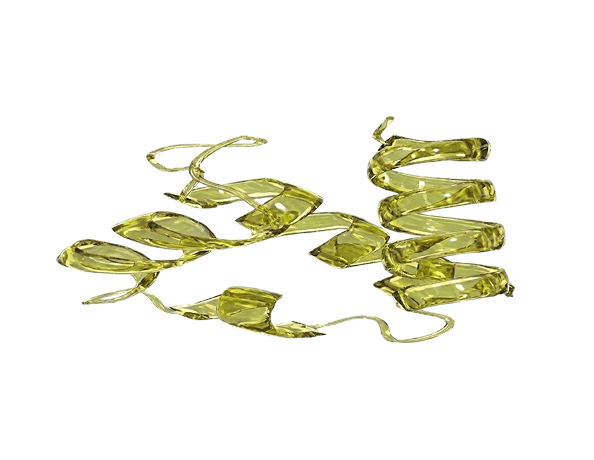
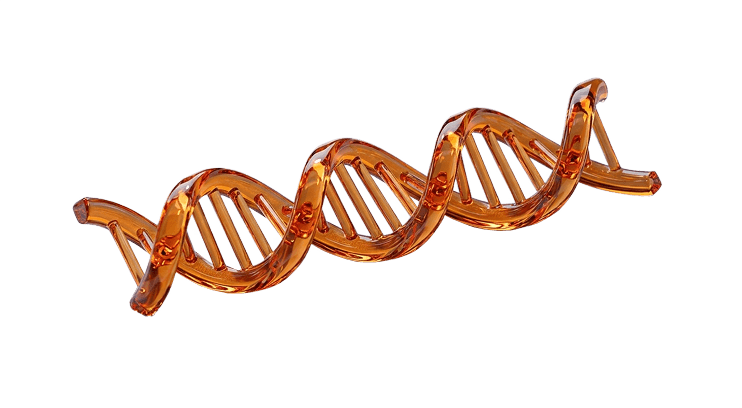
DNA, RNA and proteins are no longer analyzed in isolation they're treated as interconnected layers of the same biological system.
— Steve Barnard, CTO, Illumina
"We are expanding vertically in multiomics and horizontally in multimodal capabilities… to create comprehensive biological insight." — Steve Barnard, CTO, Illumina
"We are expanding vertically in multiomics and horizontally in multimodal capabilities… to create comprehensive biological insight."




PHENOTYPE
04
SPATIAL BIOLOGY
SPATIAL BIOLOGY
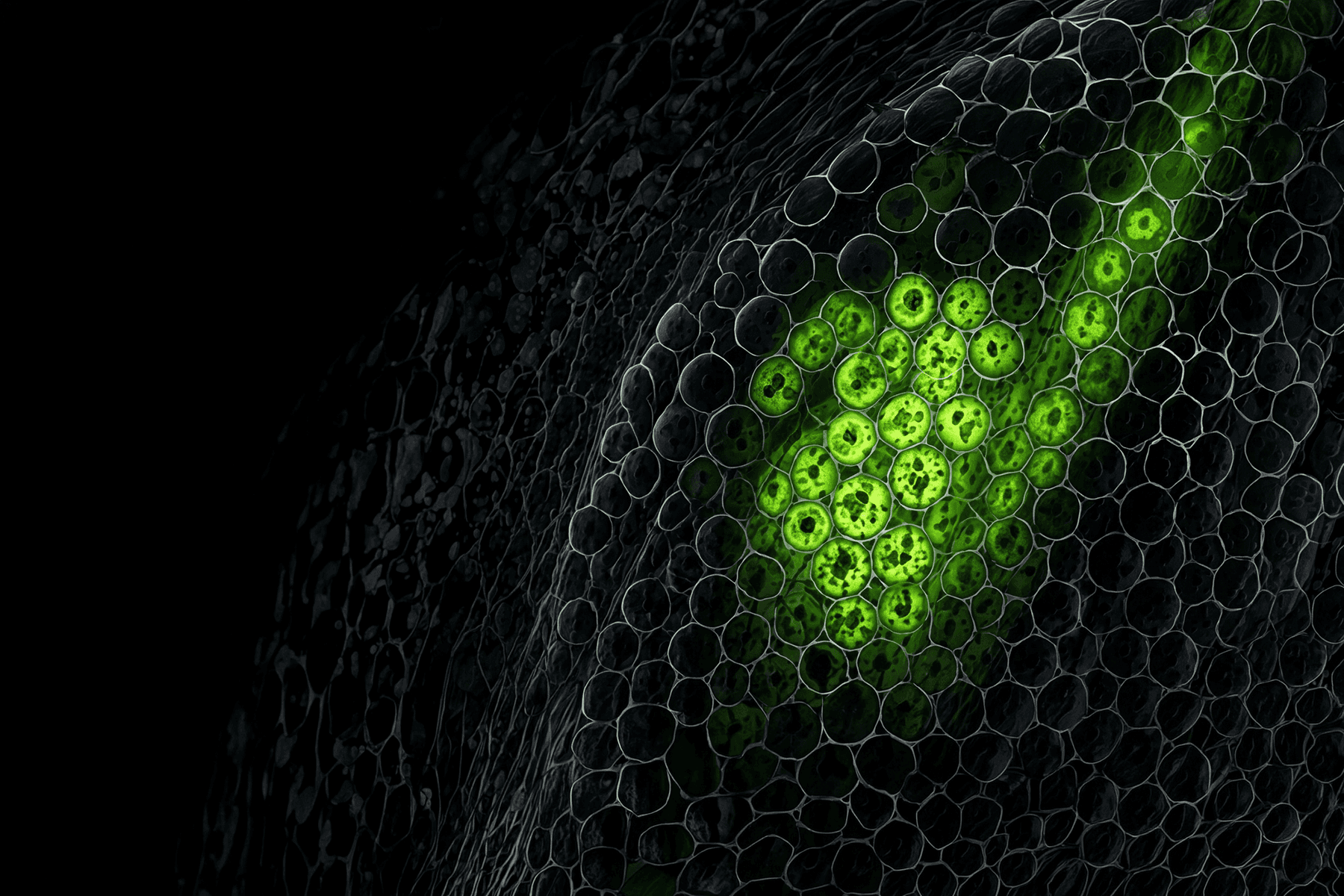

Activated T cells
Immune zone
High interaction
Activated T cells
Immune zone
High interaction
Activated T cells
Immune zone
High interaction
Context changes
everything
Context changes
everything
Context changes everything
Gene expression explains only part of a biological process.
Spatial technologies add information about cellular organization, tissue architecture, and local interactions, helping researchers study disease within its biological context.
Spatial biology adds the missing dimension: understanding not only what happens, but where it happens. This shift enables better interpretation of complex diseases and therapeutic responses.
05
KEY TRENDS 2026
KEY TRENDS 2026
Signals shaping the next generation of omics
Signals shaping the next generation of omics
Signals shaping the
next generation of omics
Four technological shifts influencing how biological systems are measured, interpreted, and engineered.
multimodal data
integration
01
multimodal data integration
Convergence of genomic, spatial and clinical data into unified analytical frameworks.
multimodal data integration
Convergence of genomic, spatial and clinical data into unified analytical frameworks.
Long-read
sequencing expansion
02
Long-read sequencing expansion
Access to previously inaccessible regions of the genome and structural complexity.
Long-read sequencing expansion
Access to previously inaccessible regions of the genome and structural complexity.
Spatial
transcriptomics
03
Spatial transcriptomics
From gene expression maps to functional understanding of tissue architecture.
Spatial transcriptomics
From gene expression maps to functional understanding of tissue architecture.
AI-powered
biological models
04
AI-powered biological models
From correlation to mechanistic biological prediction at single-cell resolution.
AI-powered biological models
From correlation to mechanistic biological prediction at single-cell resolution.
More data does not necessarily mean more understanding.
More data does not necessarily mean more understanding.
More data does not necessarily mean more understanding.
06
WHERE IT'S HAPPENING
WHERE IT'S HAPPENING
Companies pushing
genomics forward
Companies pushing
genomics forward
Companies pushing
genomics forward
From single-cell analysis and spatial biology to synthetic DNA infrastructure and enzyme engineering, a new generation of companies is expanding what can be understood.













Multi-omic integration
Multiomics platforms for clinical research
Visium HD delivers 9x capture area and 4x resolution vs previous technologies.

Single-cell · Long-read
Long-read sequencing at single-cell resolution
Detects full-length isoforms and splicing events with a proprietary barcoding system.

Integrated single-cell multi-omics
High-fidelity single-cell data that reveals biology at unprecedented resolution.
An integrated platform delivering unified DNA and RNA from single cells with whole-genome coverage, revealing rare mutations and cell populations that bulk methods average away.

AI-assisted enzyme design
Next-generation enzymes for sequencing technologies.
Watchmaker combines directed evolution, computational modeling, and deep sequencing to optimize enzymes for high-performance NGS workflows.
Explore the complete landscape
Explore the complete landscape
This is just a glimpse of a much bigger picture.